Crowding
Emerging wisdom teeth press neighboring teeth out of alignment. The sooner we see it, the simpler the fix.
Plan within weeksBook a consult → Specializes in Wisdom Teeth Removal
Led by Dr Dave, a thoughtful sedation discussion, and 24/7 aftercare — most visits complete within about two hours. The calm, precise path to relief starts here.
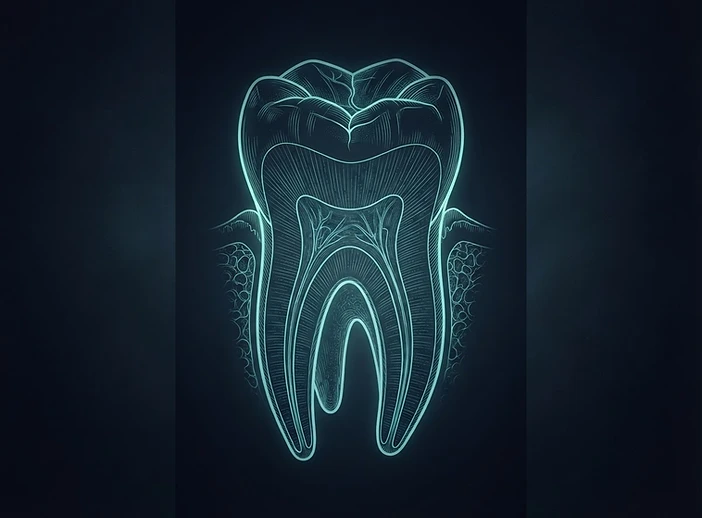
The signs that wisdom teeth may need attention — and what each one means for your timing.
Emerging wisdom teeth press neighboring teeth out of alignment. The sooner we see it, the simpler the fix.
Plan within weeksBook a consult →A dull ache at the back of the jaw that flares with chewing often means an impacted tooth. Relief is close.
Act this weekBook a consult →Tender, swollen tissue around a partially erupted tooth can trap debris and invite infection. Don't wait.
Act within daysBook a consult →Even symptom-free wisdom teeth are evaluated early to protect your alignment and avoid a harder extraction later.
Routine reviewBook a consult →Upper wisdom teeth can refer pressure upward, mimicking sinus congestion and headaches. We can sort the source.
Plan within weeksBook a consult →Choosing who removes your wisdom teeth is a trust decision. Our practice is engineered around one idea: that oral surgery can feel considered, unhurried, and deeply human — and that the right team makes all the difference in how you heal.
When Dr Dave performs your procedure, a specialized team of Certified Registered Nurse Anesthetists (CRNAs) flies in from Arizona to handle every sedation need. That means the person doing your surgery is never the same person managing your sedation — a division of labor that meaningfully increases safety for the patient.
A question worth asking before you speak to anyone about removing your wisdom teeth: who will be doing the sedation? In our practice, the answer is a dedicated anesthesia professional — focused solely on you.
The journey from concern to comfort is shorter and gentler than most imagine. Here is exactly what happens, in order, so there are no surprises — only trust.

A gentle 3D scan maps the exact position of each tooth. We explain what we see in plain language and confirm whether removal is right for you.
Sedation isn't a menu here — it's a conversation. We talk through what suits your comfort and walk you through exactly what to expect. Plan on about two hours from when sedation begins to when you're fully alert, and the entire appointment is typically complete within two hours.
Minimally invasive technique protects surrounding tissue and bone. Most appointments take less than an hour from arrival to rest.
You leave with a printed recovery plan, a direct line to the team, and a follow-up visit already scheduled.

A clear path through the days after your procedure — hyper-clear, day-by-day guidance so you never wonder what's next.
Begin with chilled smoothies, yogurt, and broth. Avoid straws entirely for the first 72 hours to protect the healing clot. Gradually reintroduce texture as comfort returns — think mashed, then soft, then whole.
Alternate prescribed relief with over-the-counter anti-inflammatories on the schedule you're given. Consistency — not reaction — is what keeps discomfort minimal. Cold compresses in 20-minute intervals ease the first day.
Rest with your head elevated for the first 48 hours. Skip exercise, bending, and heavy lifting for a full week. Gentle walks are welcome; anything that raises your heart rate is not — yet.
For the first day, let the area rest entirely. After 24 hours, introduce warm salt rinses after meals. Brush carefully around the site, and skip mouthwash with alcohol until you're cleared.
Stay ahead of discomfort rather than chasing it. Alternate your prescribed relief with over-the-counter anti-inflammatories on the schedule you're given, and apply cold compresses in 20-minute intervals for the first day. Most patients find discomfort eases significantly within 48–72 hours. If pain suddenly increases after improving, contact our aftercare line — it may signal a dry socket, which is easily treated.
For the first 24 hours, stick to cool, soft foods — smoothies, yogurt, applesauce, and chilled broth. Avoid anything hot, spicy, or crunchy. After day three, ease into lukewarm mashed and soft foods. Most patients return to a normal diet within a week. Never use a straw for the first 72 hours: the suction can dislodge the healing clot.
Swelling typically peaks 48–72 hours after the procedure, then gradually subsides over the following week. Cold compresses in the first 48 hours help minimize it; after that, gentle warm compresses encourage the swelling to resolve. Keeping your head elevated — even while sleeping — makes a meaningful difference.
Rest with your head elevated for the first 48 hours. Gentle walks are welcome right away, but skip exercise, bending, and heavy lifting for a full week. Anything that raises your heart rate or blood pressure can prolong healing and increase swelling, so ease back in gradually.
Let the area rest entirely for the first 24 hours — no rinsing, no spitting. After that, introduce warm salt rinses after every meal to keep the sites clean. Brush carefully around the area, and avoid alcohol-based mouthwash until you're cleared at your follow-up visit. The healing clot is fragile; treat it gently.
Call our 24/7 aftercare line if you experience: severe pain that worsens after day three, heavy bleeding that doesn't stop with gentle pressure, a foul taste or odor accompanied by fever, or difficulty swallowing or breathing. These are rare but treatable — early contact keeps recovery on track.
Still unsure? Our aftercare line is open around the clock — (406) 300-4444. You can also download the recovery guide or book a consultation.
Patients across northwest Montana come to Dr Dave for wisdom teeth removal. We care for the entire Flathead Valley and beyond — from our home base in Kalispell, out to Evergreen, Whitefish, Columbia Falls, Bigfork, Lakeside, Somers, Kila, and the surrounding communities.
Your first visit — 3D imaging and a clear plan — is complimentary and covered by most insurance. Share a few details below; a care coordinator confirms within one business day.
Select the concern that fits best.

